Bottle feeding lambs is something most producers run into at some point, whether it is due to rejection, illness, or a ewe that cannot produce enough milk. It is not complicated, but it does require consistency and a little patience, especially in the first few days.
Getting it right early on makes a big difference in how well those lambs grow and how much time you end up spending managing them later.
Why Lambs End Up on the Bottle
Not every lamb starts off with a ewe that can fully care for it.
Sometimes the ewe rejects one lamb, especially in twins or triplets. Other times, milk production is not enough to support all offspring. Weather, stress, or health issues can also play a role.
Whatever the reason, once a lamb is on the bottle, it depends entirely on you for nutrition and consistency.
The Importance of Getting Started Right
The first feeding matters more than anything that comes after.
Just like calves, lambs need colostrum early to build immunity. If they do not get it from the ewe, it needs to be provided as soon as possible. Waiting too long can make lambs more vulnerable to illness and slow them down right from the start.
After that, it becomes about maintaining a steady routine.
What Bottle Feeding Looks Like Day to Day
Bottle feeding quickly becomes part of your daily rhythm.
Lambs need multiple feedings throughout the day, especially early on. They also tend to do better when feedings are spaced consistently rather than given at random times. Over time, as they grow stronger, the number of feedings can be reduced.
One thing you will notice is that lambs pick up on the routine quickly. Once they know when feeding time is, they will be ready for it.
Common Challenges
Bottle feeding sounds straightforward, but a few challenges tend to come up.
Some lambs are slow to take a bottle at first. It can take a bit of patience to get them started, especially if they are weak or stressed. Others may overeat if given the chance, which can lead to digestive issues.
Cleanliness is another factor that matters more than people expect. Bottles, nipples, and buckets need to be kept clean to avoid introducing bacteria.
Using Buckets Instead of Bottles
As lambs grow, many producers move away from individual bottles and toward group feeding.
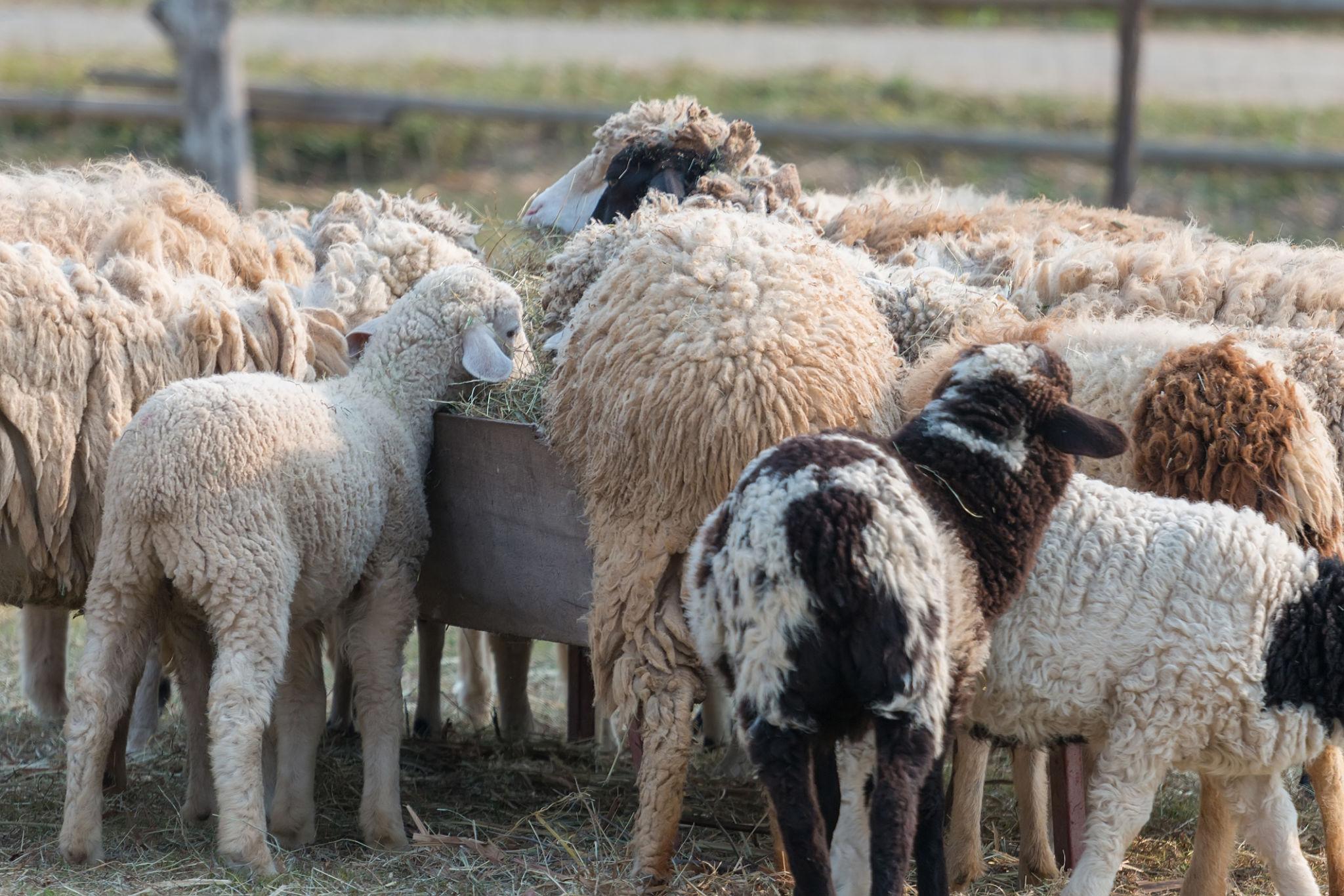
Tools like a lamb feeder bucket allow multiple lambs to feed at once, which saves time and makes feeding more efficient. It also helps lambs transition into a more natural feeding pattern rather than relying on one on one bottle feeding.
This is especially useful if you are raising multiple orphan lambs at the same time.
Keeping Lambs Healthy While Feeding
Feeding is only one part of the picture.
Lambs also need:
A dry, clean environment
Protection from drafts
Access to fresh water as they grow
Good conditions help prevent issues like scours and respiratory problems, which are more common in bottle fed lambs if conditions are not ideal.
FAQ
How often should I bottle feed lambs? Multiple times per day early on, then gradually reduce as they grow.
What do I feed lambs if the ewe is not available? A quality milk replacer designed specifically for lambs.
How do I get a lamb to take a bottle? Patience and consistency usually work. Some lambs take a little longer to learn.
When can lambs stop bottle feeding? As they begin eating solid feed and can transition away from milk.
Conclusion
Bottle feeding lambs takes a bit of extra effort, but it is a reliable way to raise healthy animals when natural feeding is not an option. Staying consistent, keeping things clean, and adjusting as lambs grow will make the process smoother and more successful.