Heat stress in cattle rarely shows up all at once. More often, it builds slowly over time, starting with small changes that are easy to overlook if you are not paying close attention.
Recognizing those early signs is one of the most important parts of managing cattle during warmer months. Catching it early gives you time to adjust before it turns into a bigger issue.
What Heat Stress Actually Looks Like
Most people think of heat stress as extreme conditions, but cattle can begin to feel stress well before temperatures seem severe.
It starts with changes in behavior. Cattle may become less active, spend more time standing, or shift their grazing patterns to cooler parts of the day.
As stress increases, physical signs begin to show up.
Early Warning Signs to Watch For
Some of the most common early indicators include:
Increased breathing rate
Reduced feed intake
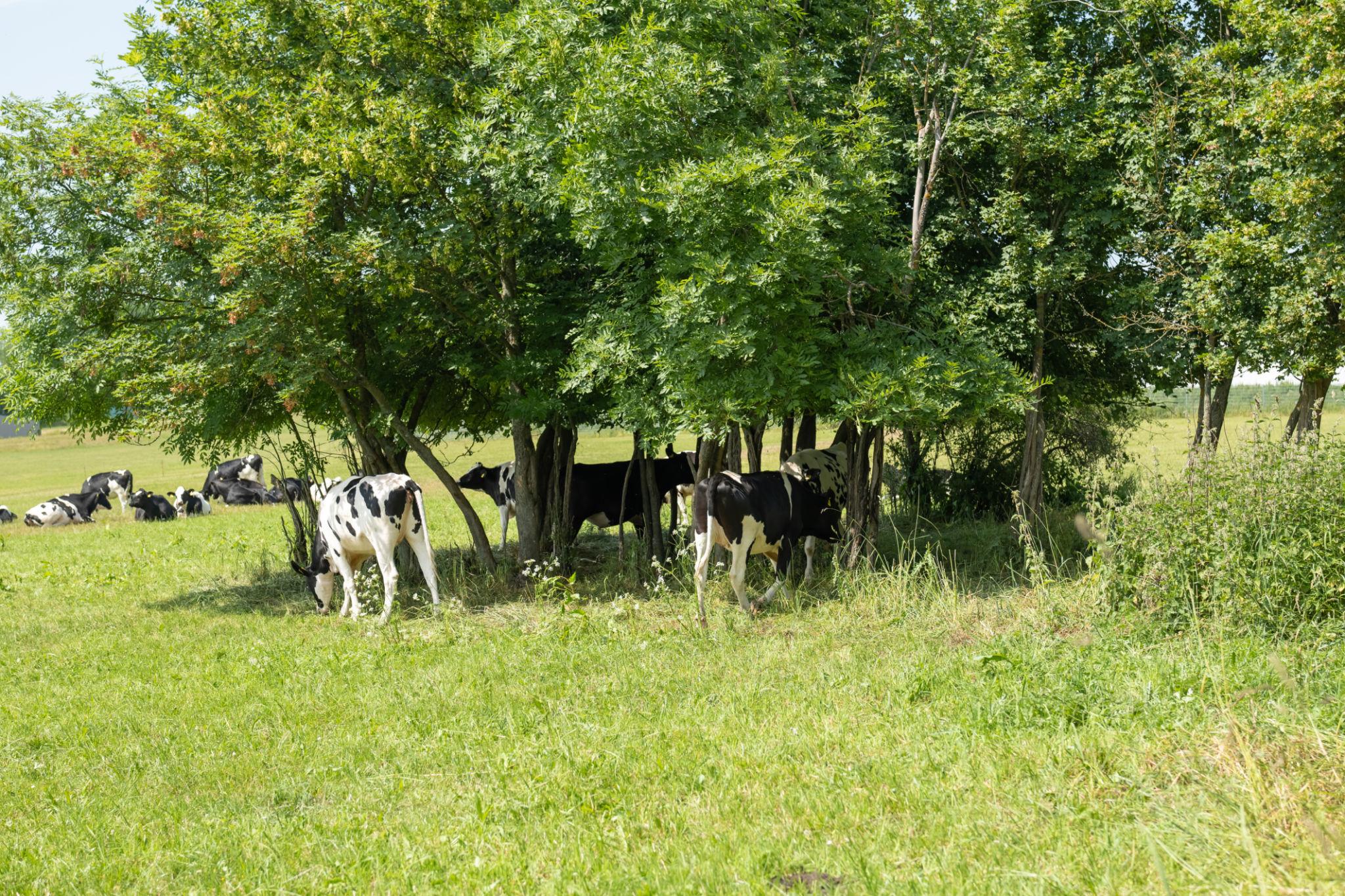
Gathering around water or shaded areas
Less movement during the day
These signs often show up before more serious symptoms, which makes them important to catch.
When It Becomes More Serious
If conditions continue without adjustment, heat stress becomes more obvious.
Cattle may begin:
Panting more heavily
Drooling
Standing with heads lowered
Showing signs of fatigue
At this stage, performance is already being impacted, and recovery can take time even after conditions improve.
What to Do When You Notice Early Signs
The good news is that early heat stress can often be managed with simple changes.
Improving water access is one of the most effective steps. Cattle need more water as temperatures rise, and any limitation can make the problem worse.
Reducing handling during hot periods also helps. Moving cattle adds stress and increases body temperature, which compounds the issue.
Providing shade, even in limited amounts, can help cattle regulate heat more effectively.
Prevention Going Forward
Heat stress is not always avoidable, but it is manageable.
Staying ahead of changing conditions and watching for early signs allows you to respond before cattle fall behind. Consistent monitoring during warm periods is one of the most effective tools you have.
FAQ
At what temperature do cattle experience heat stress? It depends on humidity and conditions, but stress can begin earlier than many expect.
Is fast breathing always a sign of heat stress? Not always, but it is one of the earliest indicators when combined with other signs.
Can cattle recover quickly from heat stress? Mild cases can improve quickly, but more severe stress takes longer.
Does shade completely prevent heat stress? No, but it helps reduce severity and gives cattle relief.
Conclusion
Heat stress is easier to manage when it is caught early. Paying attention to small behavioral changes and making quick adjustments can prevent bigger problems and keep cattle performing through warmer conditions.